Exploring Screen Orientation Experiments in Jammin Jars
With Jammin Jars Screen Orientation Experiments Jammin Jars demo evolving in the gaming landscape, developers continually push the boundaries of technology to enhance player experience. Screen orientation has emerged as a fascinating area of experimentation, particularly in the context of mobile gaming. In this article, we will delve into the significance of screen orientation in Jammin Jars, examining how different orientations can influence gameplay, user experience, and overall enjoyment. We’ll also consider the various experiments that have been conducted and their outcomes.
The Importance of Screen Orientation in Mobile Games
Screen orientation plays a crucial role in how players interact with mobile games. The two primary orientations, portrait and landscape, offer distinct advantages and challenges. In the context of slot games like Jammin Jars, the orientation can significantly impact how the game is presented and how players engage with the mechanics.
Portrait Orientation
Many mobile games, especially casual ones, are designed to be played in portrait mode. This orientation allows for a more user-friendly interface, where players can easily access controls without straining their thumbs. In Jammin Jars, portrait mode could facilitate quicker access to betting options, settings, and other game features. Additionally, it mimics the experience of scrolling through social media or other apps, which can make users feel more at home.
Landscape Orientation
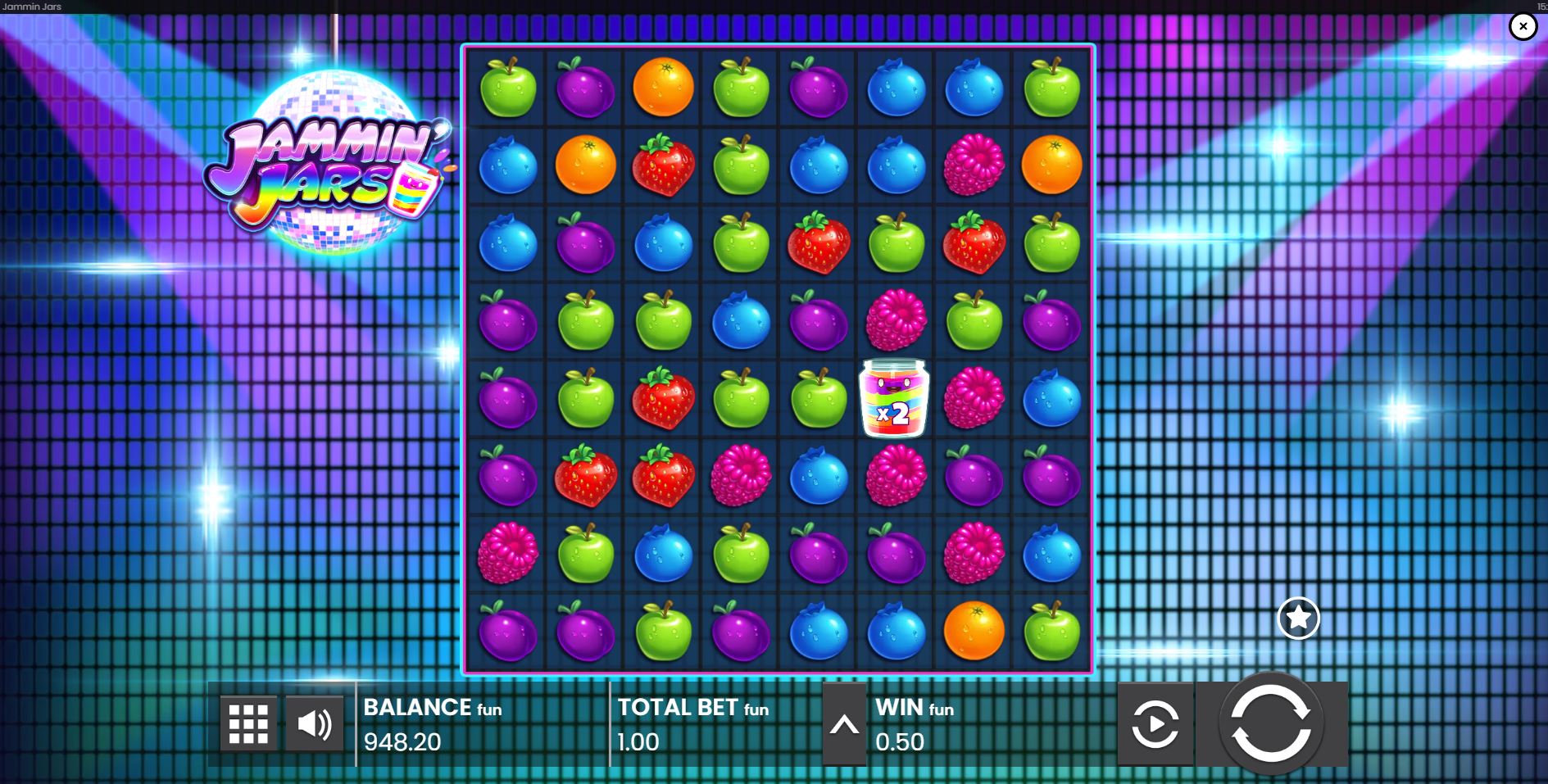
On the other hand, landscape orientation is often preferred for games that require more complex interactions or offer enhanced visuals. For a colorful and vibrant game like Jammin Jars, playing in landscape mode can allow for a broader display of the game’s graphics and animations. This can create a more immersive experience and allow players to appreciate the game’s aesthetics fully. Furthermore, landscape mode can be beneficial for social play, where multiple players gather around a device.
Experimenting with Orientation: Key Findings
As developers of Jammin Jars sought to refine their game through screen orientation experiments, several key findings emerged that provided insight into player preferences and behavior.
User Engagement
Initial experiments indicated that player engagement fluctuated with orientation changes. In landscape mode, players tended to spend more time on the game, likely due to the visually arresting graphics and improved spatial awareness. Conversely, in portrait mode, while players engaged with the game quickly, they also exhibited a tendency to return to other apps more frequently, as the experience felt less immersive.
Betting Behavior
Orientation also impacted betting behavior. In landscape mode, players tended to make larger bets, possibly influenced by the spacious layout that presented greater information at a glance. Conversely, portrait mode seemed to encourage more cautious betting, which could be tied to the confined view and the way information was presented. These insights were crucial for adjusting the game’s economic model to better align with player behavior across orientations.
Social Interaction
Another interesting aspect of the experiments was how orientation affected social interaction among players. In landscape mode, players were more likely to invite friends to join in on the gameplay, indicating a preference for shared experiences. This aligns with modern gaming trends where multiplayer engagement is prioritized. Jammin Jars saw a marked increase in social interactions when presented in landscape mode during events and promotions.
Optimizing the Game Experience
Based on the findings from their experiments, the developers of Jammin Jars began to implement changes aimed at optimizing user experience across both orientations. This included designing adaptive interfaces that allowed for seamless transition between portrait and landscape modes without sacrificing functionality.
Adaptive UI Design
The adaptive user interface (UI) was designed to ensure that essential features remained accessible regardless of the screen orientation. This not only maintained user engagement but also contributed to a more uniform experience for all players. For instance, while in landscape mode, the UI would expand to utilize the wide screen, showcasing beautiful graphics, while the portrait version retained all critical functionalities but in a more compact format.
Responsive Animations
The gameplay animations were also reworked to adapt to the chosen orientation. In landscape mode, animations were designed to cover a wider area of the screen, while in portrait mode, animations were focused more centrally, ensuring they remained captivating regardless of how players held their devices.
Future Directions and Conclusion
The experiments conducted with screen orientation in Jammin Jars offer a compelling case study on the importance of adaptive design in mobile gaming. As phones evolve and players seek out the best possible experiences, successful games will need to be responsive to user preferences—no matter how those preferences change over time.

The future of Jammin Jars will likely continue to embrace these experiments, pushing the envelope on how orientation affects not just gameplay but also player connection and satisfaction. With continuous feedback and adaptation, Jammin Jars stands to remain at the forefront of innovative mobile gaming, ensuring all players find their perfect fit—whether they prefer portrait or landscape.