

The role of pacific ngo work nonprofit work in the pacific has become increasingly essential in addressing the unique challenges faced by island nations. These organizations play a vital role in fostering economic growth, promoting sustainable practices, and advocating for social justice. From education and health services to environmental conservation and disaster relief, NGOs in the Pacific are at the forefront of driving positive change in their communities.
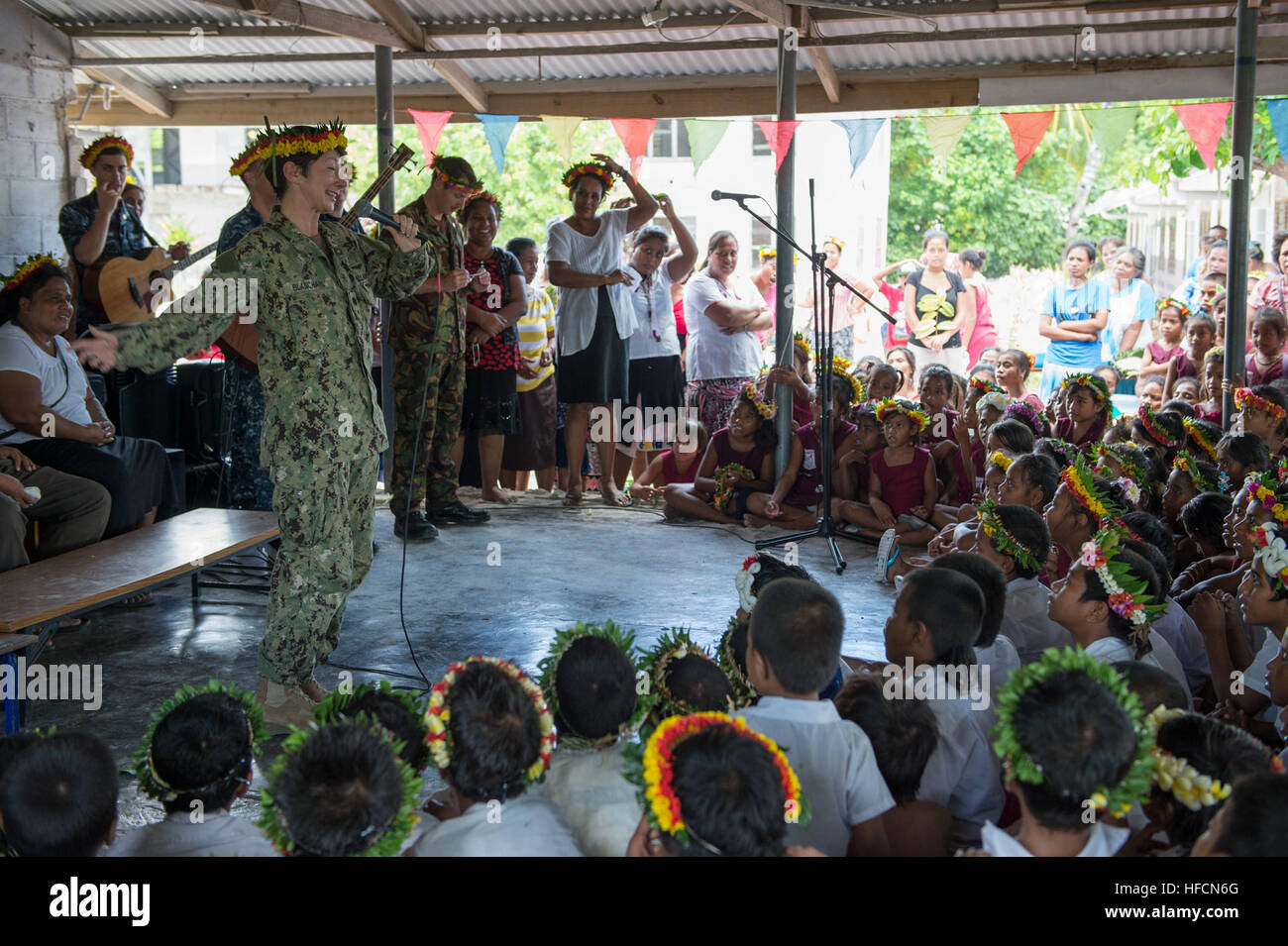
The Diverse Landscape of Pacific NGOs
The Pacific Islands, comprising over 10,000 islands spread across a vast area, are home to a multitude of cultures, languages, and traditions. This diversity is reflected in the wide range of NGOs operating in the region. With local, national, and international organizations working side by side, there is a shared vision to enhance the quality of life across these islands.
Local NGOs often focus on grassroots initiatives, empowering communities to take charge of their development. They operate on limited resources but are deeply rooted in the cultural fabric of the regions they serve. National NGOs, on the other hand, may work on broader issues that require collective actions across multiple communities. Finally, international NGOs often bring in funds and expertise from abroad, enhancing the capabilities and resources available to address pressing challenges.
Key Areas of Focus
1. Education: Education stands as a cornerstone of development in the Pacific. Numerous NGOs focus on improving access to quality education in remote areas, promoting literacy and vocational training. By equipping youth with essential skills, these organizations help them thrive and become active contributors to their communities, thus diminishing unemployment rates and skilled labor shortages.
2. Health Services: Healthcare is another critical area of intervention for NGOs in the Pacific. Many island nations struggle with limited healthcare infrastructure, making it challenging to deliver essential services. NGOs work tirelessly to bridge these gaps by offering medical care, community health education, and mental health support, all of which significantly improve health outcomes.
3. Environmental Conservation: With climate change posing a serious threat to the fragile ecosystems of the Pacific Islands, environmental NGOs play an invaluable role in conservation efforts. These organizations focus on preserving biodiversity, combating climate change, and promoting sustainable practices. By engaging local communities in conservation initiatives, they foster a sense of stewardship and responsibility toward the environment.
4. Disaster Relief and Preparedness: The Pacific region is prone to natural disasters such as cyclones, earthquakes, and tsunamis. NGOs are pivotal during such crises, providing immediate relief to affected communities and aiding in recovery and reconstruction efforts. Moreover, they work on disaster preparedness programs to equip communities with the necessary tools and knowledge to respond to such emergencies effectively.
Success Stories
Many NGOs in the Pacific have recorded remarkable successes that not only uplift local communities but also inspire other organizations. For example, initiatives focused on women’s empowerment have led to significant social and economic advancements. Workshops and training sessions have enabled women to start their businesses, become leaders in their communities, and advocate for their rights.
Another success story comes from organizations working in environmental conservation, where community-managed marine areas have resulted in improved fish stocks and healthier ecosystems. By involving local stakeholders in decision-making processes, these initiatives foster a sense of ownership and responsibility toward conserving natural resources.
Challenges Faced by NGOs
Despite their invaluable contributions, NGOs in the Pacific face a myriad of challenges. Funding is often limited, and as a result, many organizations struggle to sustain their projects over the long term. Additionally, the remote nature of many islands can complicate logistics, making it difficult to deliver services or access necessary resources.
Moreover, political instability and bureaucratic hurdles can hinder the effectiveness of NGOs. Navigating the regulatory landscape requires patience and persistence, as some organizations encounter challenges in obtaining permits or approval to operate. Collaboration between NGOs and government entities is essential to overcome these hurdles and create a conducive environment for development.
The Way Forward
Moving forward, the success of NGO initiatives in the Pacific will depend on building stronger partnerships. Collaboration among local, national, and international organizations can help pool resources, share knowledge, and create more impactful programs. Additionally, fostering community engagement and participation will ensure that initiatives are culturally relevant and sustainable in the long term.
Investing in capacity-building for local NGOs is also crucial. By providing training and resources, we empower communities to take charge of their development, creating a ripple effect that leads to lasting change. In this way, the Pacific region can navigate its unique challenges effectively while preserving its rich cultures and natural heritage.
Conclusion
The work of NGOs in the Pacific region exemplifies the power of grassroots initiatives in transforming communities. Through their commitment to education, health, environment, and disaster preparedness, these organizations are creating a brighter and more sustainable future for the islands. As challenges persist, fostering collaboration and investing in local capabilities will be key to unlocking the vast potential of the Pacific Islands.